
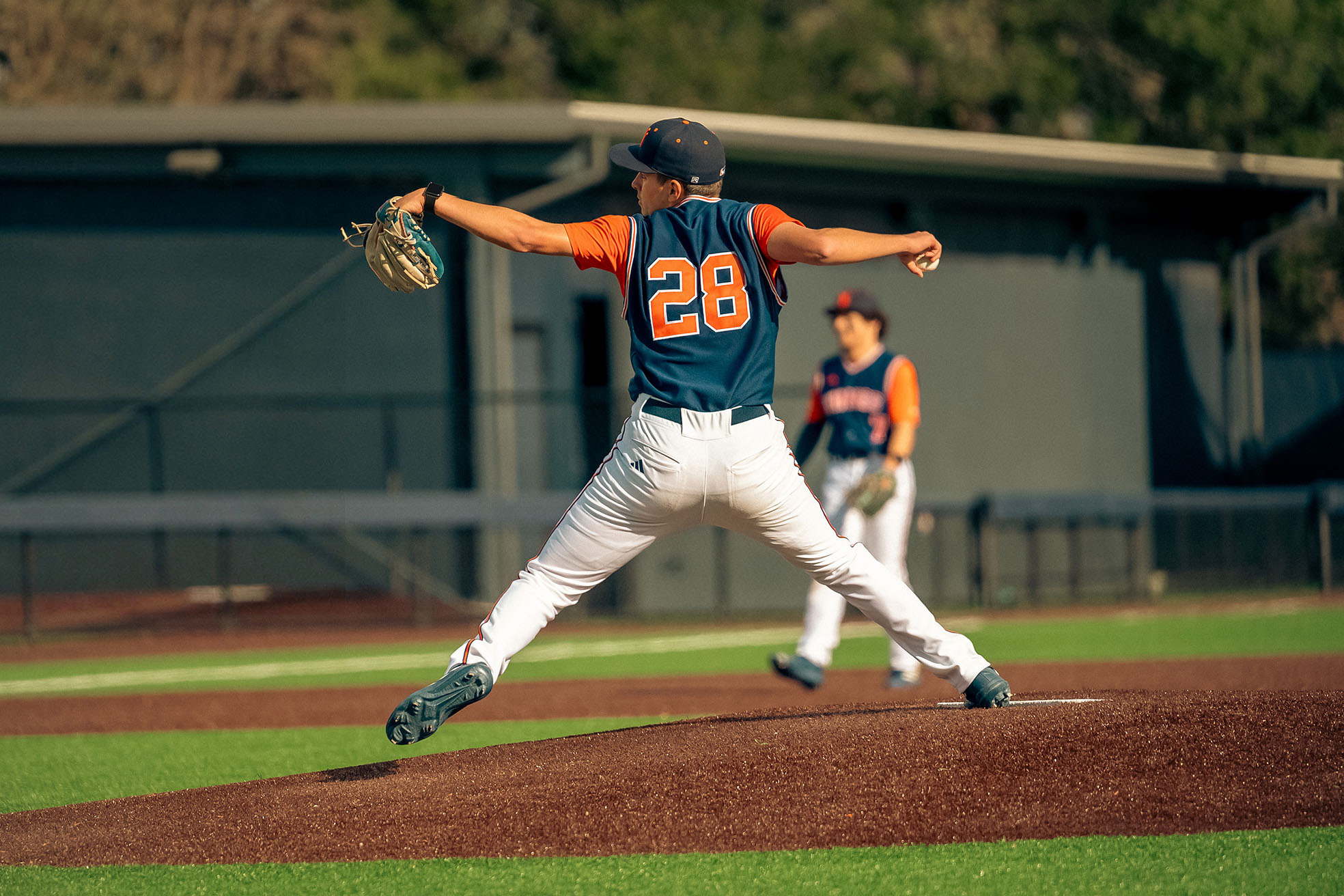
Same play. Different jobs.
Whole defense in sync
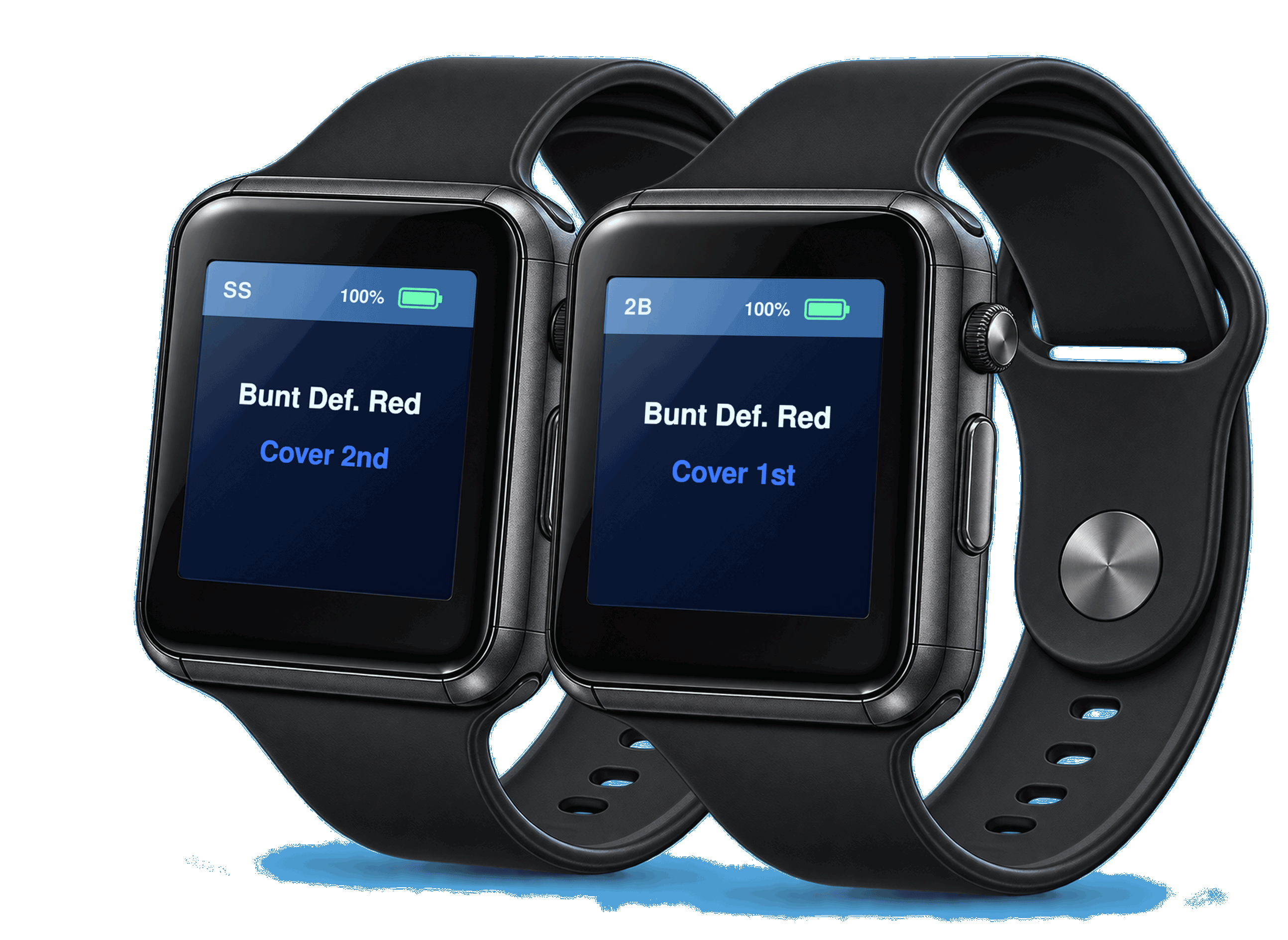
Send one defensive call and give every position the instruction that matters to them. Shortstop covers second. Second baseman covers first. Everyone moves together.
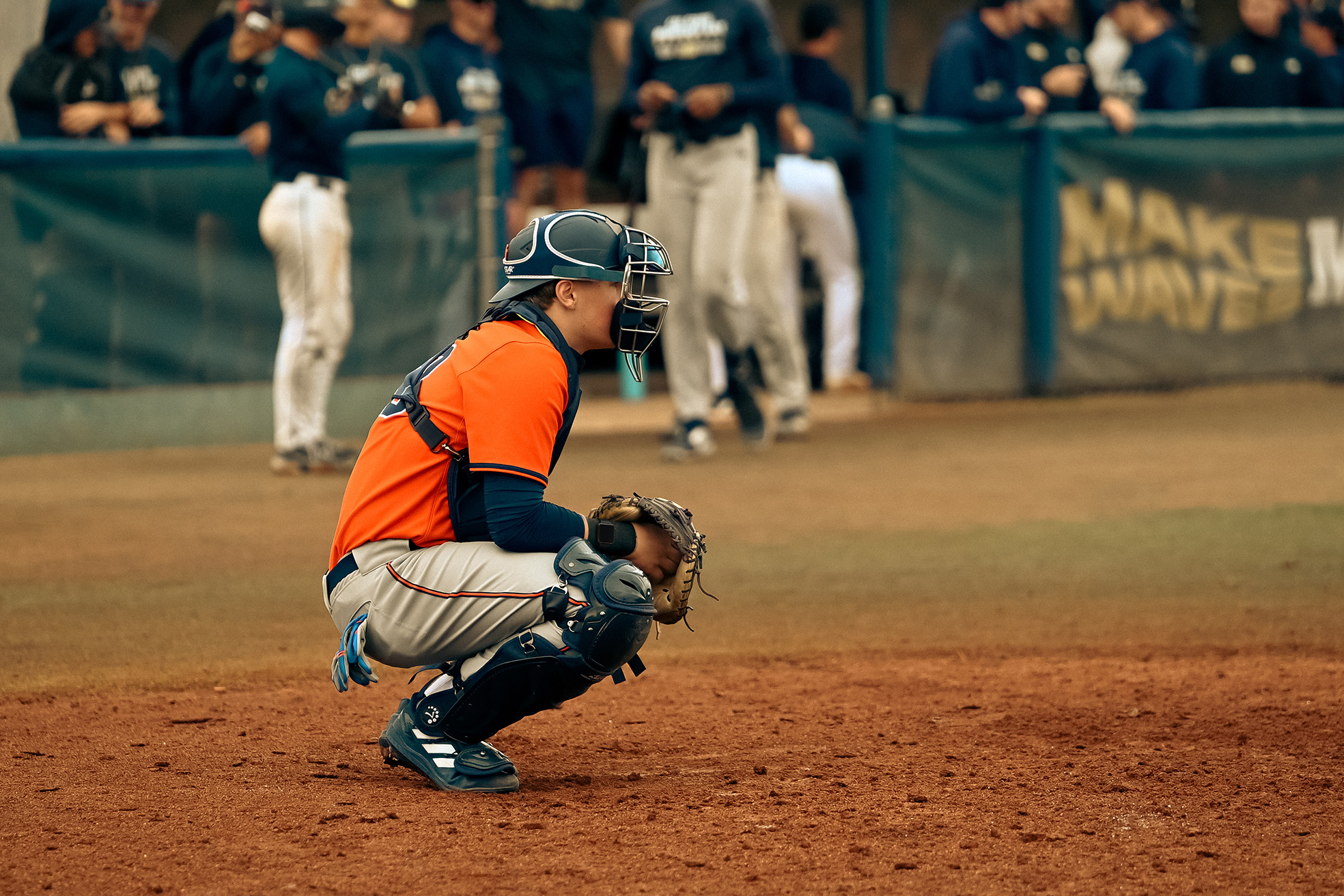
One pitch. Every detail.
Give the pitcher the whole call.
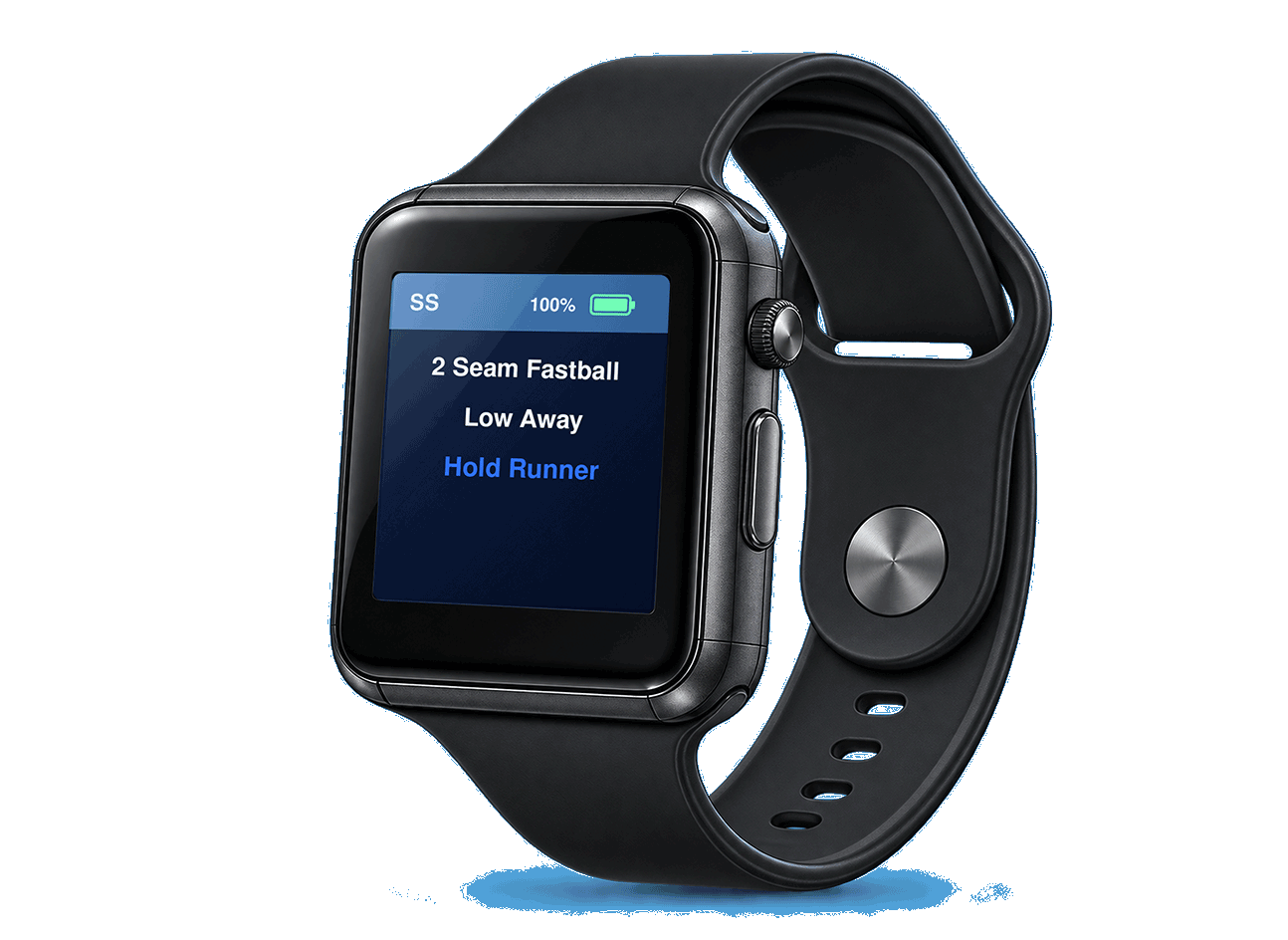
Send pitch type, location, and situational instruction together. 2-Seam Fastball. Low away. Hold runner. Everything the pitcher needs, right on the wrist.
Call more. Show less.
Run your offense from the dugout.
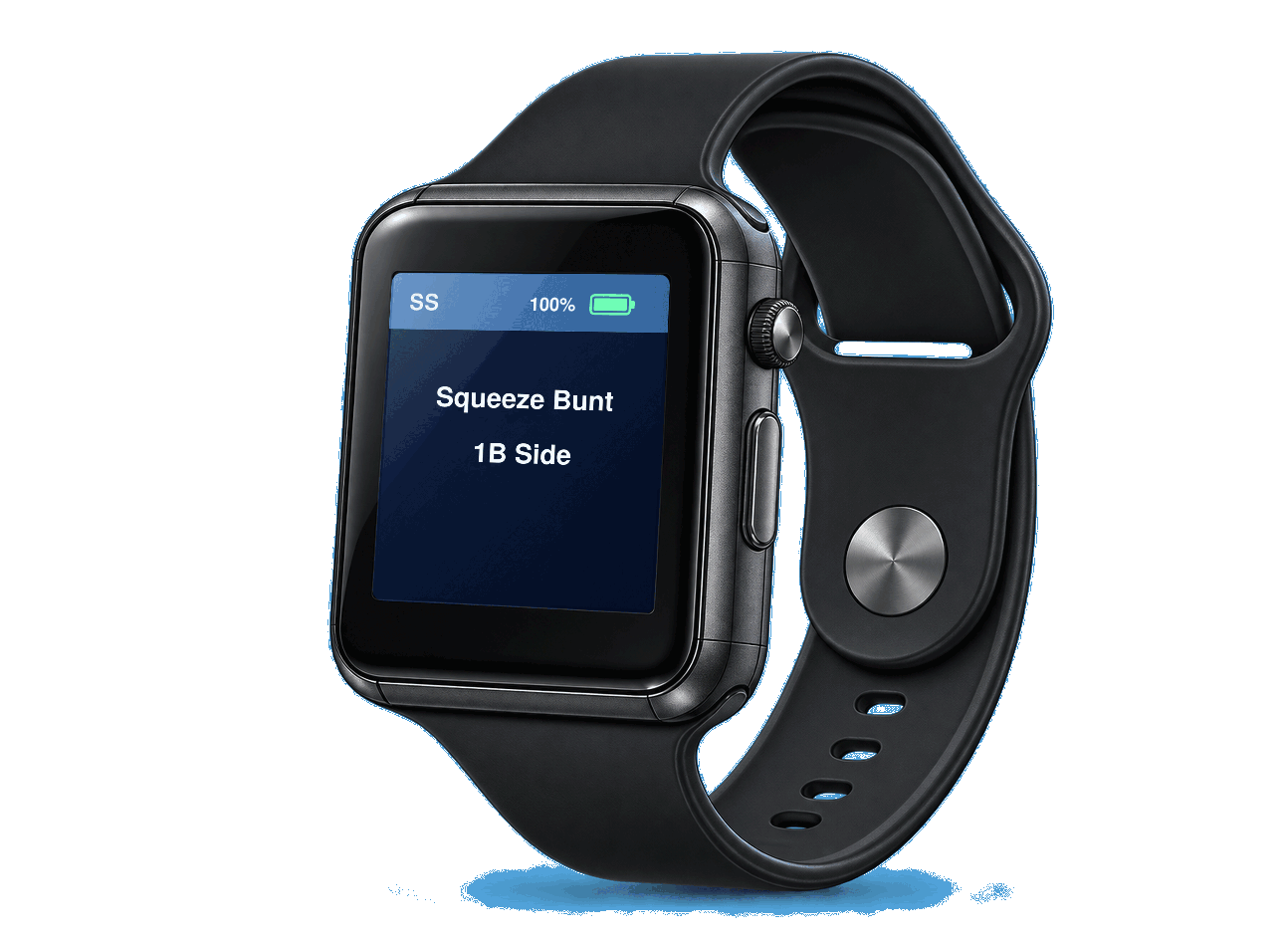
Communicate offensive calls directly and discreetly, giving you more ways to adjust, attack, and react without relying on an ever-growing system of signs.
From the Dugout
Hear it from the coaches.
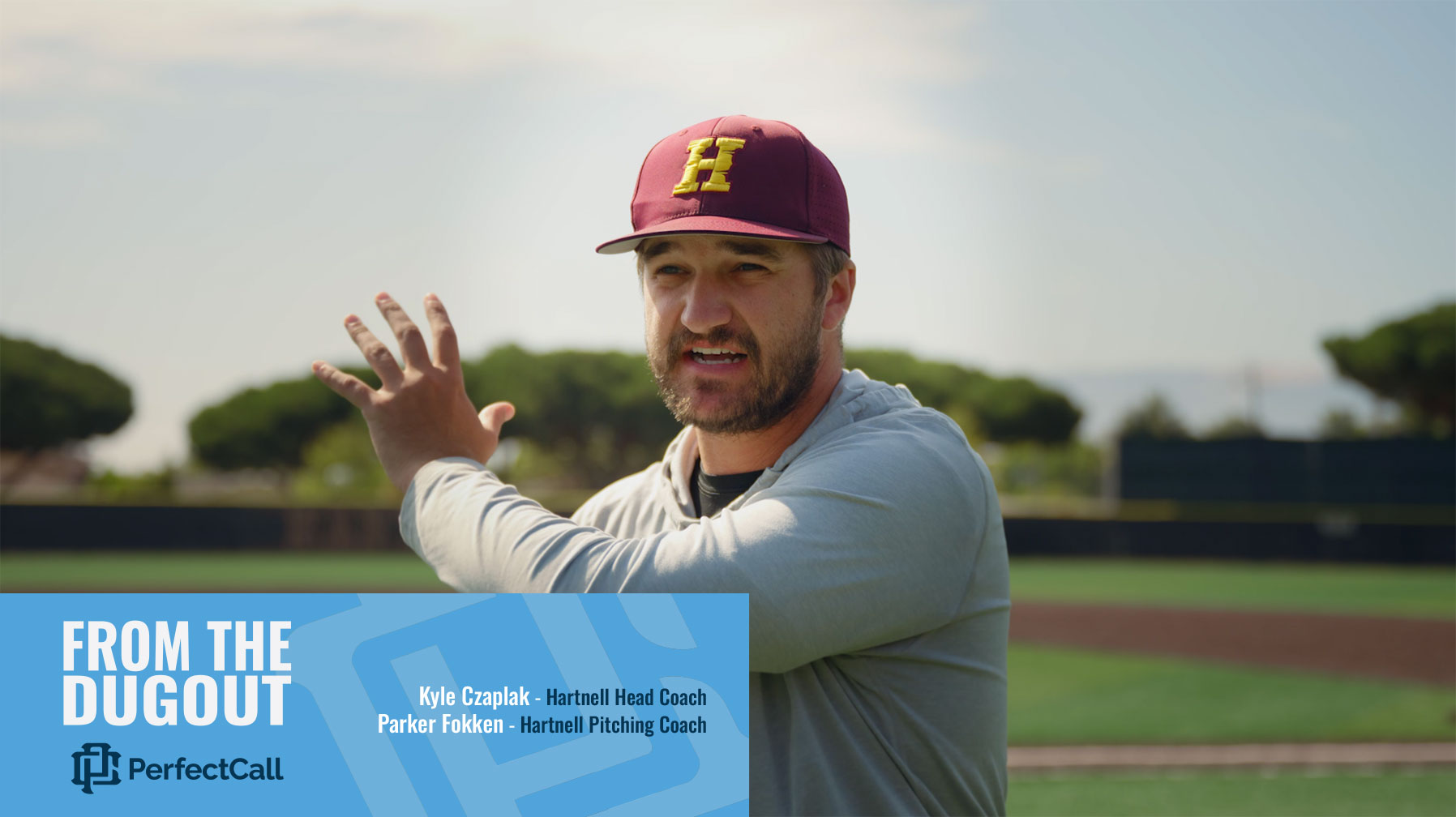
Honest feedback from coaches running PerfectCall on game day. Kyle and Parker give their thoughts on the system and the impact it has had on their program.
54 seconds
Not all play calling
systems are the same.
-
Traditional wristbands
Slow by design.
Every call means looking down, finding the code, and pulling your players away from the game.
Coach → Code → Player
-
Phone & watch apps
More things have to work.
Phones, pairing, cellular service, or Wi-Fi can all become a problem on gameday.
Coach → Network / Pairing → Watch
-
PerfectCall
Built around the live call.
Tap the call. Dedicated radio puts it directly on the player’s wrist.
Coach → Radio → Wrist
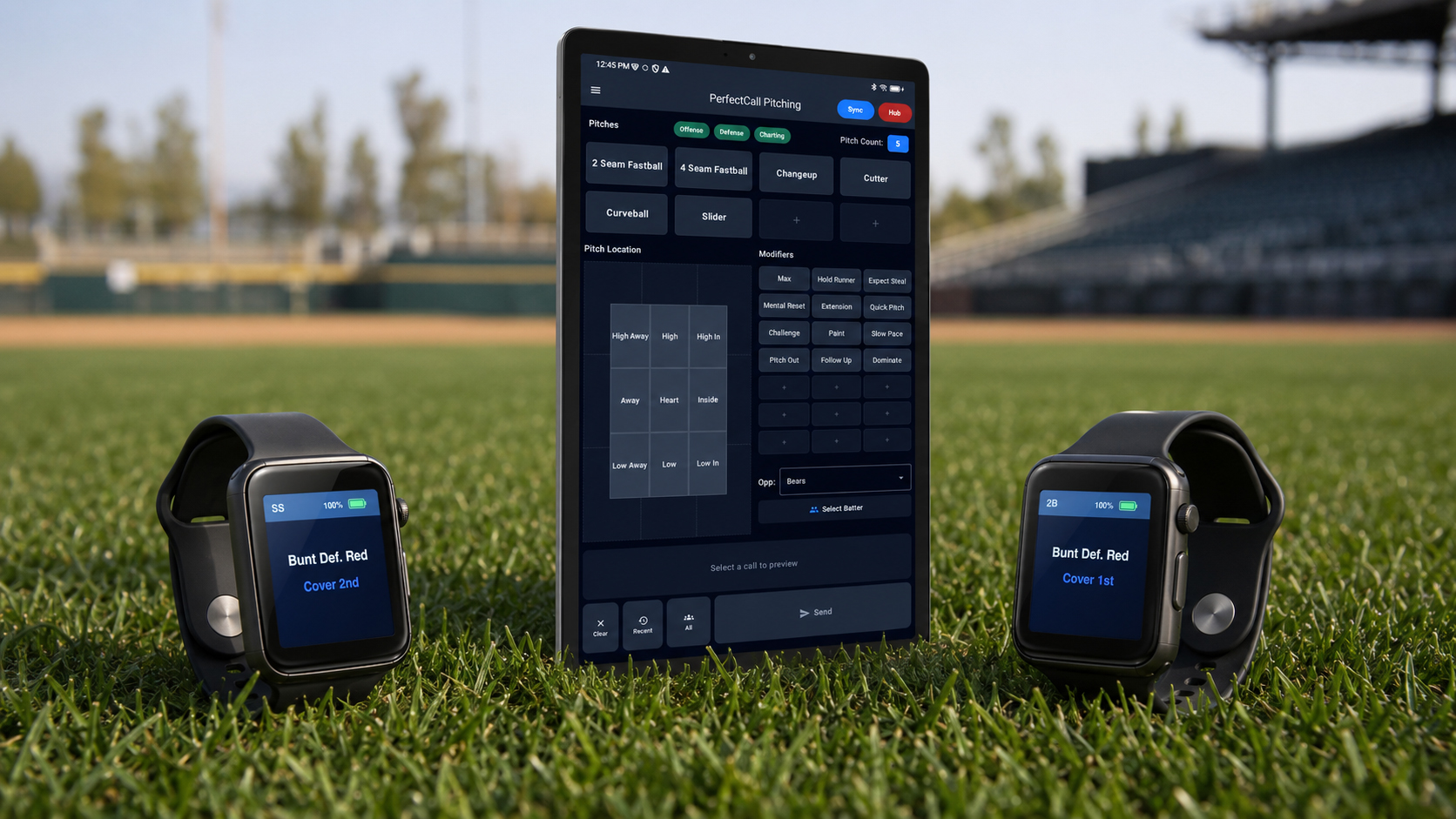
The kit
Tablet. Hub. Wrists.
For a limited time, every PerfectCall package includes a Coach Tablet free — Approved for play per NCAA rulebook.
How the system works →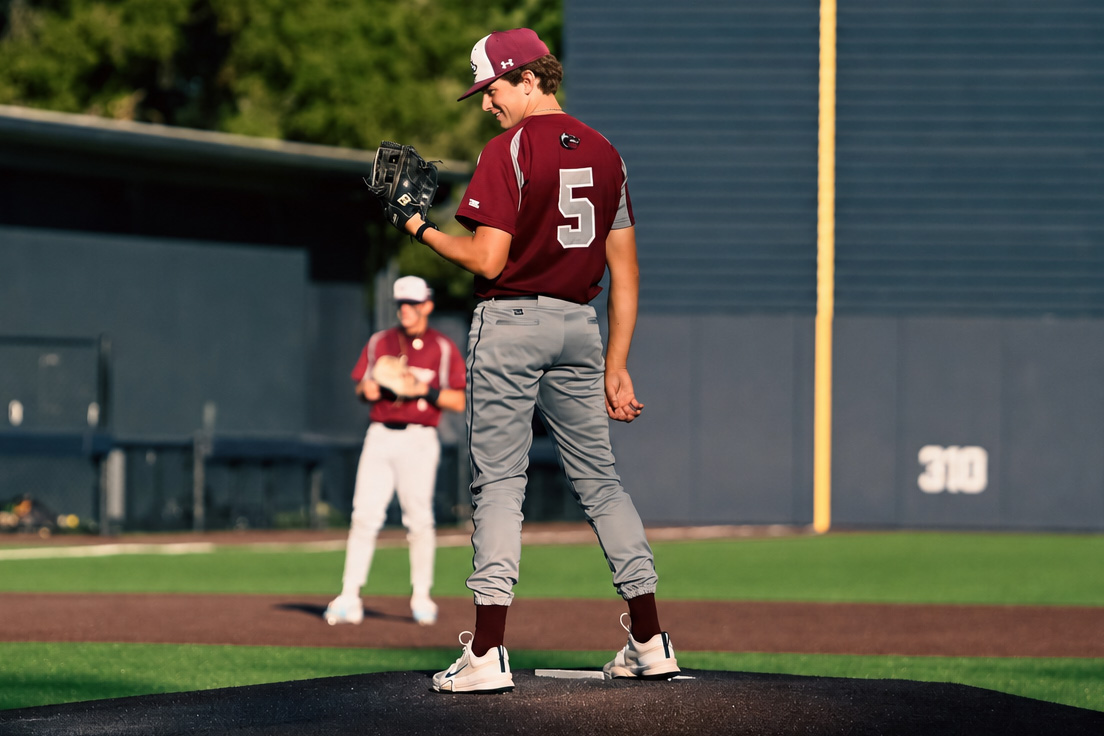 Varsity Starter Package
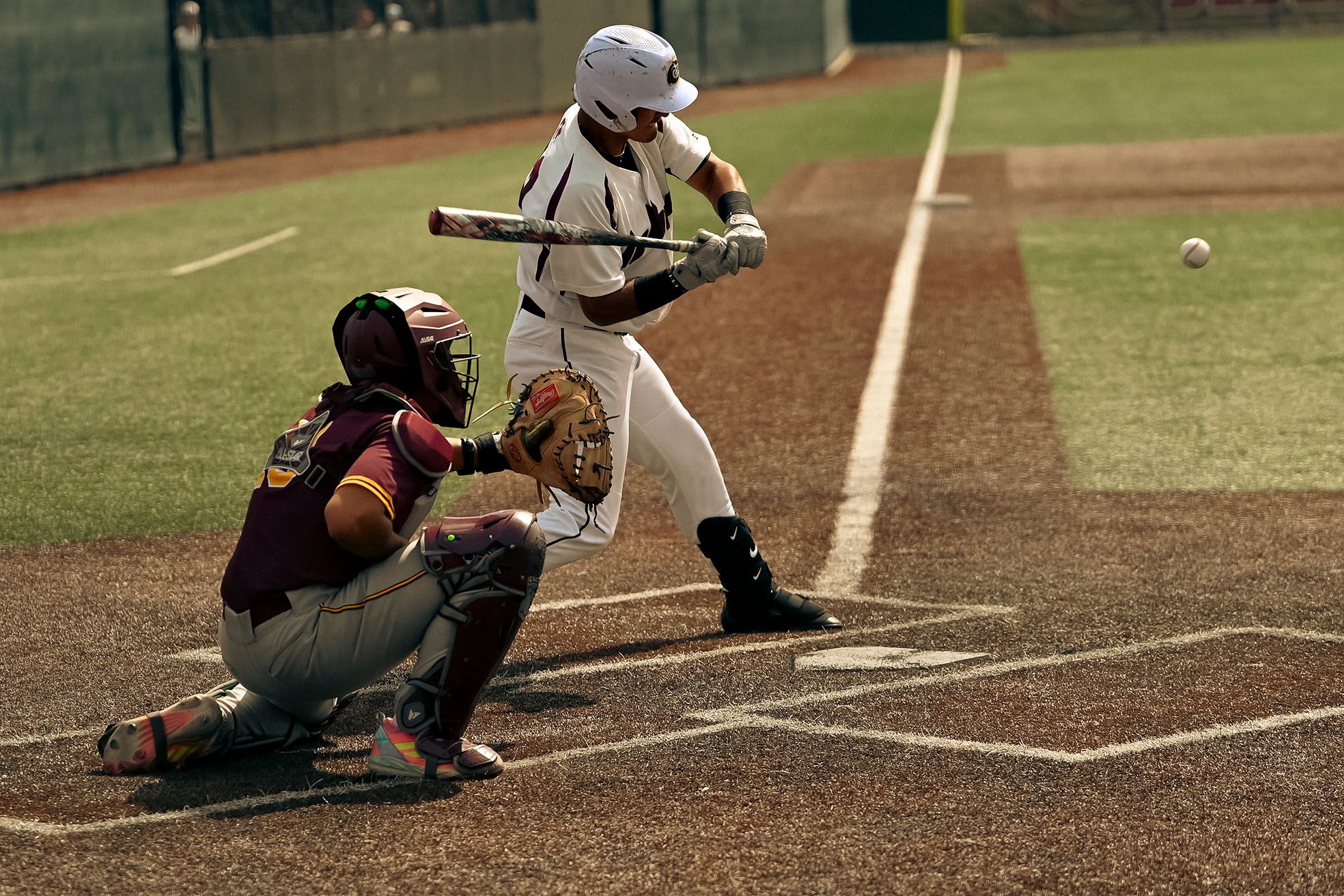 Advance Complete Platform
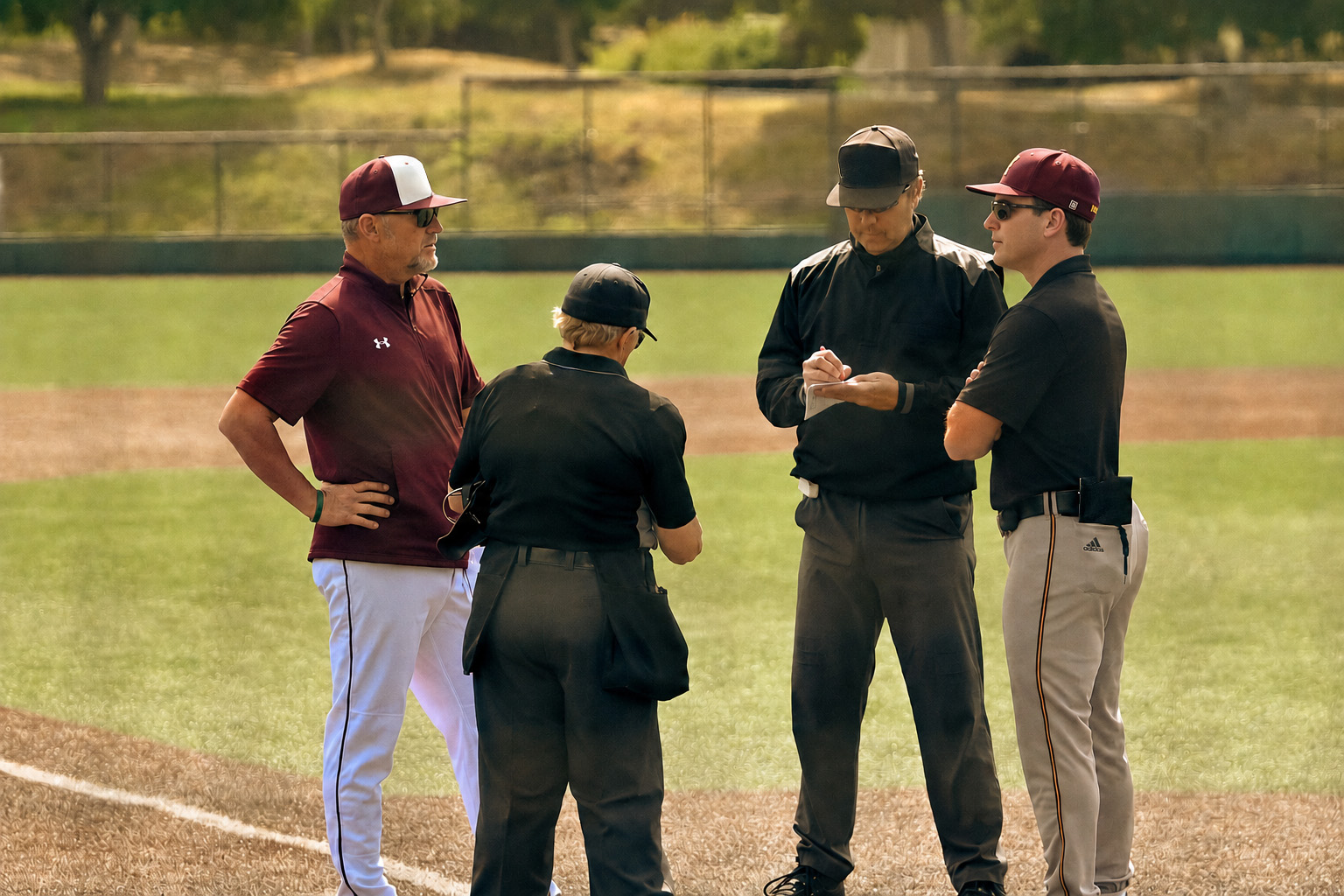 Comparison Varsity vs Advance







You’re not guessing.
The pitches you call are already in the book. Use them before the next series.
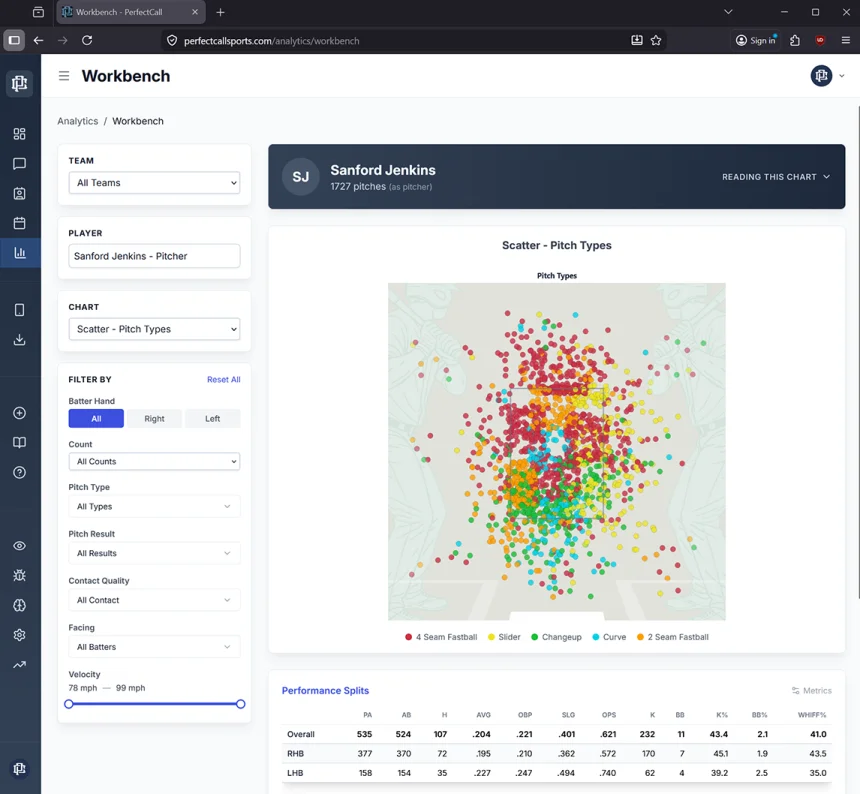
Where they are beatable.
Every pitch on the zone. See what this hitter actually does.
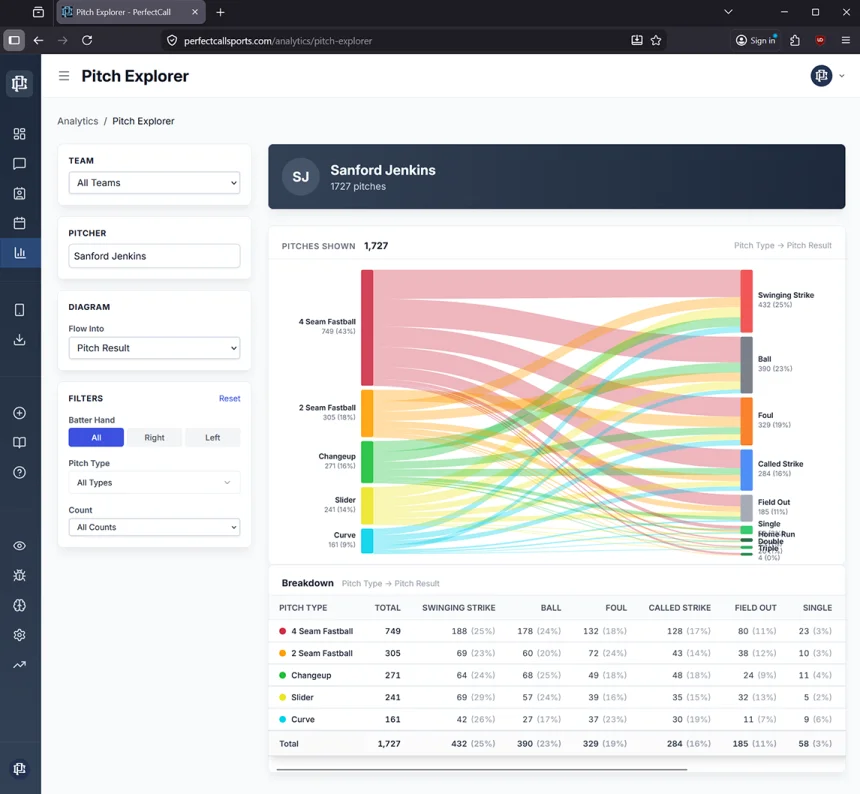
Which sequences get outs.
How an at-bat is built — and what is working right now.
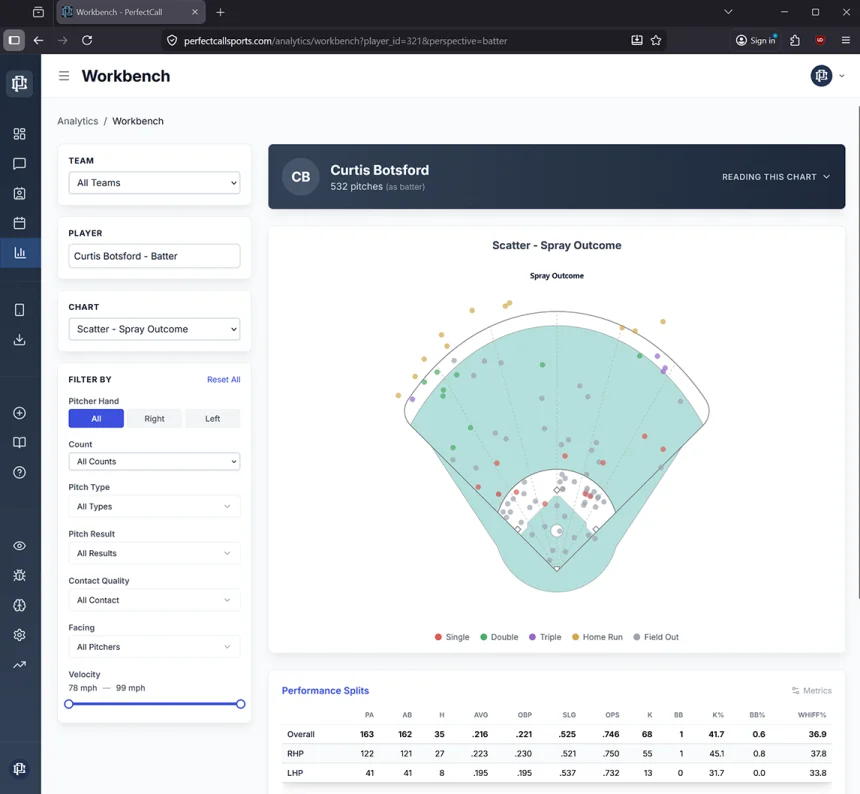
Where the ball actually goes.
Spray it. Put the defense there.
“Way more than play calling.” Daniel Phillips · Monterey Peninsula College